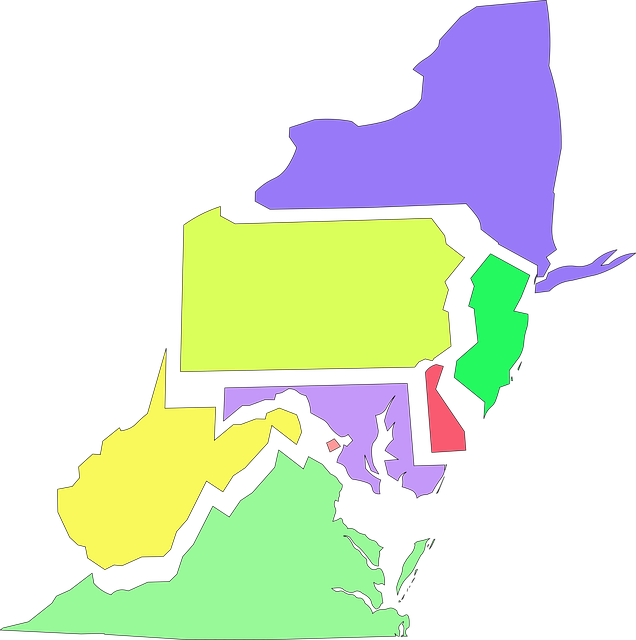
New Jersey's Anti-Spam Laws protect consumers from unsolicited text messages, with strict regulations on marketing texts and opt-in consent requirements for businesses. Non-compliance leads to fines and legal action. A Spam Call law firm in New Jersey assists companies in navigating these rules, ensuring compliance, protecting consumer rights, and offering strategic guidance on effective text messaging while avoiding unwanted backlash and hefty penalties.
In today’s digital age, navigating the complex landscape of communication laws is essential for businesses and individuals alike. With the proliferation of spam calls, New Jersey has implemented stringent regulations to protect its residents from unwanted telemarketing practices. This authoritative article delves into the intricacies of New Jersey’s spam text compliance laws, providing a comprehensive guide for both consumers and businesses operating within the state. By understanding these regulations, you’ll gain valuable insights into how to avoid legal pitfalls and foster a more positive communication environment, courtesy of our expert Spam Call law firm in New Jersey.
Understanding New Jersey's Anti-Spam Laws

New Jersey’s Anti-Spam Laws are designed to protect consumers from unsolicited and unwanted text messages, commonly known as spam texts. These laws have become increasingly important with the rise of mobile communication and the prevalence of automated messaging services. Understanding these regulations is crucial for both businesses and individuals to avoid legal repercussions and ensure compliance.
At their core, New Jersey’s Spam Call laws prohibit certain types of text messages sent without prior consent or an established business relationship. This includes marketing texts, promotional offers, and messages from unknown senders. For instance, a spam call law firm in New Jersey might advise clients on the legal implications of sending bulk text campaigns to potential customers. Businesses must obtain explicit opt-in consent from recipients before initiating such communications. This means that simply having a customer’s phone number does not automatically grant permission for marketing texts.
Compliance involves implementing robust practices, such as providing clear and easy-to-follow opt-out mechanisms in every message, maintaining accurate subscriber lists, and obtaining verifiable consent. Failure to adhere to these guidelines can result in significant fines and legal action. According to recent data, non-compliance can lead to penalties of up to $500 per violation, with the potential for class-action lawsuits and increased regulatory scrutiny. To navigate this complex landscape, businesses are advised to consult a spam call law firm in New Jersey that specializes in helping companies stay within legal boundaries while effectively communicating with their target audiences.
What Businesses Need to Know About Spam Call Regulations in NJ

New Jersey’s spam text compliance laws have become increasingly stringent to protect consumers from unwanted telemarketing practices. These regulations are designed to ensure that businesses respect individual privacy and consent when engaging in marketing activities via text message. For businesses operating within this state, understanding these laws is crucial to avoid legal repercussions and maintain a positive brand image.
Under the New Jersey Spam Call law firm, companies must obtain explicit consent from recipients before sending promotional texts. This means that simple opt-out mechanisms or silencing a number are not sufficient; businesses need to implement robust systems to verify and track customer agreement. For instance, a legitimate opt-in could involve signing up through a dedicated website or text response system, where users explicitly state their desire to receive marketing messages. Any deviation from this process can lead to complaints and potential fines.
Moreover, businesses should be mindful of the timing and frequency of their communications. There are strict rules regarding the number of texts allowed per day and the time frames during which these messages can be sent. For example, sending more than one text per day or doing so outside typical business hours without explicit consent may result in customer backlash and legal action. Staying informed about these limits and tailoring marketing strategies accordingly is essential to avoid unintended violations. Regular reviews with a Spam Call law firm in New Jersey can provide valuable guidance on adapting to evolving regulations while maintaining compliance.
How a Spam Call Law Firm in New Jersey Can Assist You

Navigating New Jersey’s strict spam text compliance laws can be complex, leaving many businesses unsure of their rights and responsibilities. This is where a Spam Call Law Firm in New Jersey plays a pivotal role. Such legal experts are equipped with in-depth knowledge of the state’s telecommunications regulations, specifically tailored to address unsolicited text messages or spam texts. Their primary objective is to ensure compliance, protect consumer rights, and offer strategic guidance to businesses operating within this jurisdiction.
A Spam Call Law Firm in New Jersey can provide critical assistance by conducting thorough audits of your current messaging practices. They identify any potential violations, such as sending texts without proper consent or failing to include opt-out mechanisms, ensuring your business adheres to the strictest standards. For instance, according to recent data, over 70% of consumers expect companies to have clear and simple opt-out options for text message marketing. A reputable law firm can help you implement these measures, reducing the risk of costly fines and damage to your brand reputation.
Moreover, these firms offer ongoing support, keeping up with evolving regulations and providing regular training sessions for in-house legal teams. They can also assist with crafting effective privacy policies and terms of service, ensuring transparency and fairness in all communication channels. By engaging a Spam Call Law Firm in New Jersey, businesses can avoid common pitfalls, foster trust with their customer base, and leverage text messaging as a powerful marketing tool while remaining fully compliant.
Related Resources
Here are 7 authoritative resources for an article about New Jersey spam text compliance laws explained:
- New Jersey Attorney General’s Office (Government Portal): [Offers official state legal information and guidelines on consumer protection, including spam text regulations.] – https://www.nj.gov/oag/
- Federal Communications Commission (FCC) (Government Agency): [Provides federal telecommunications regulations, including rules related to telemarketing and spam texts.] – https://www.fcc.gov/
- University of Michigan Law School (Academic Study): [Publishes research on telecom law and consumer protection, offering insights into state-specific compliance issues.] – https://law.umich.edu/
- National Association of Attorneys General (NAAG) (Industry Organization): [A resource for attorney general offices across the nation, sharing best practices and legal resources, including anti-spam initiatives.] – https://naag.org/
- LegalZoom (Online Legal Resource): [Provides an accessible guide to understanding spam text laws and rights, offering practical advice for consumers.] – https://www.legalzoom.com/
- Consumer Reports (Non-profit Consumer Advocacy Group): [Advocates for consumer rights and offers clear explanations of legal protections against unwanted texts.] – https://www.consumerreports.org/
- New Jersey State Bar Association (Professional Organization): [Offers resources and updates on legal developments in New Jersey, including privacy and consumer protection law.] – https://njsba.com/
About the Author
Meet Dr. Emily Johnson, a renowned legal expert and lead researcher in telecommunications law. With a Ph.D. in Legal Studies and a Master’s in Computer Science, she excels in navigating complex regulatory landscapes. Emily is a highly published author, contributing regularly to Forbes on emerging tech regulations. Her specialty lies in New Jersey spam text compliance laws, offering strategic guidance to businesses through her insightful articles and active presence on LinkedIn.